
Catherine Coleman Flowers on “60 Minutes”: Alabama’s Wastewater Crisis “America’s Dirty Secret”

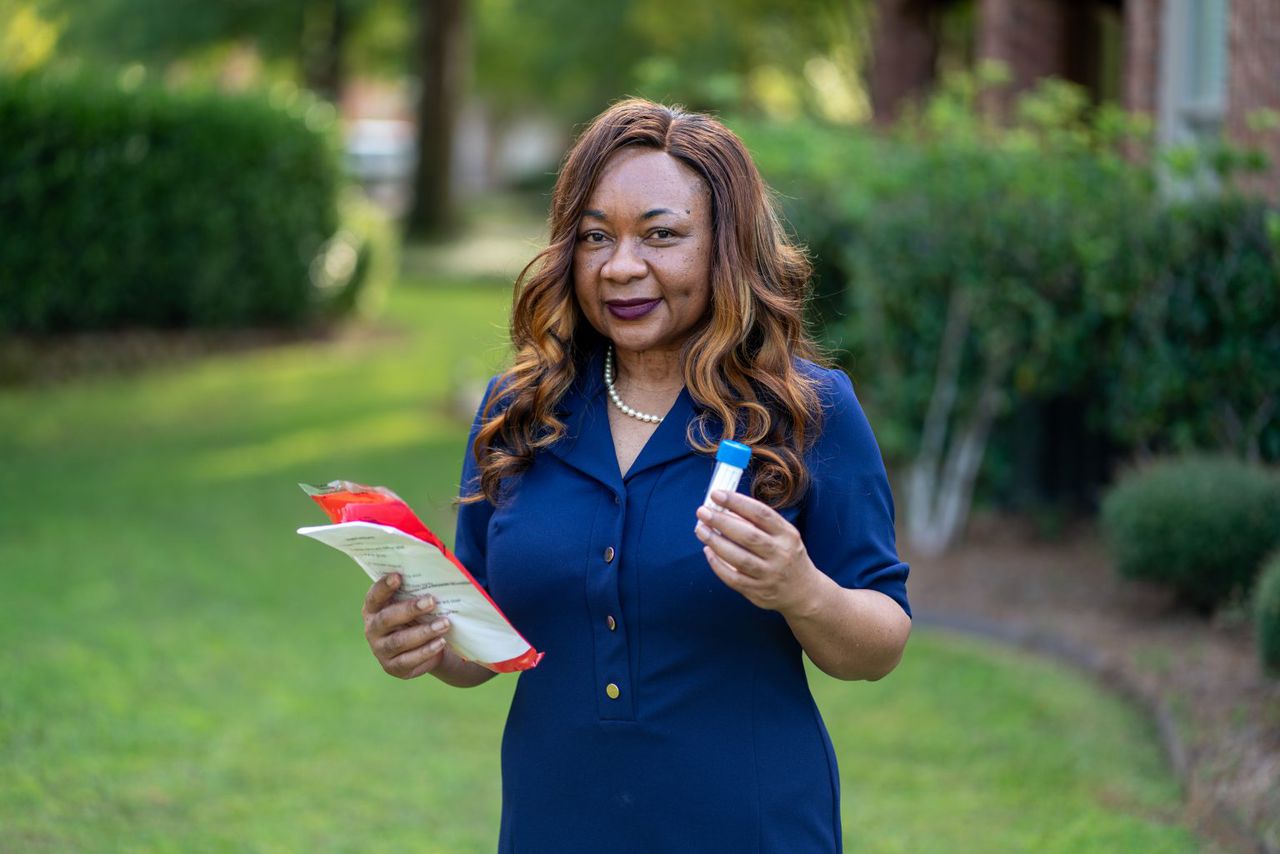
The CBS show “60 Minutes” portrayed Alabama activist and MacArthur Genius Award winner Catherine Coleman Flowers on Sunday evening with an in-depth look at the Lowndes County’s sewage crisis.
Wastewater treatment is often not carried out in unincorporated areas, and many residents find private sewage treatment plants unaffordable. No less than half of the county’s residents have untreated sewage in their yards, which can cause serious diseases.
Read more: $ 2 million Lowndes water treatment grant withdrawn after local dispute.
Read more: We can do something about the Alabama sewage and hookworm crisis.
“If this were a community of wealthier people, it would have made headlines 20 years ago,” Flowers told correspondent Bill Whitaker.
According to this, private sewage treatment plants can cost up to $ 25,000 – something many rural dwellers, even those who work six days a week, cannot afford. So many channel raw sewage behind their homes that can seep back into the water supply.
“I have no choice but to break the law,” said a Whitaker resident.
Even those who pay a fee to discharge sewage can still smell it in a nearby lagoon that sometimes floods into homes.
“Why do you think nothing was done?” Whitaker asked a resident.
“Because we’re black!” She replied.
According to the special, local and state officials said they either do not have the money, the ability, or the responsibility to tackle the public health crisis. An official with the State Department of Public Health’s Bureau of Environmental Health Services recommended that residents install outbuildings instead of piping sewerage.
The US Department of Justice is investigating whether Alabama discriminates against black residents by denying them adequate sanitation.
“The reason the situation has been going on for so long is because of the kind of benevolent neglect that has befallen black communities, poor communities, and rural communities in the United States,” Flowers said in the interview. “Somewhere along the way there was a serious separation of who should and shouldn’t have access to sanitation.”
Flowers grew up in the area, in a house with an outbuilding instead of indoor toilets. Using this experience and her parents’ civil rights work, she learned how to stand up for clean, safe water in front of the US Congress and the United Nations.
“My ancestors are here. You’re in the ground here, “Flowers said in a recent interview with Reckon South.
Comments are closed.